The Handwritten Handover: What a Bookseller's Card Asks of Your Book
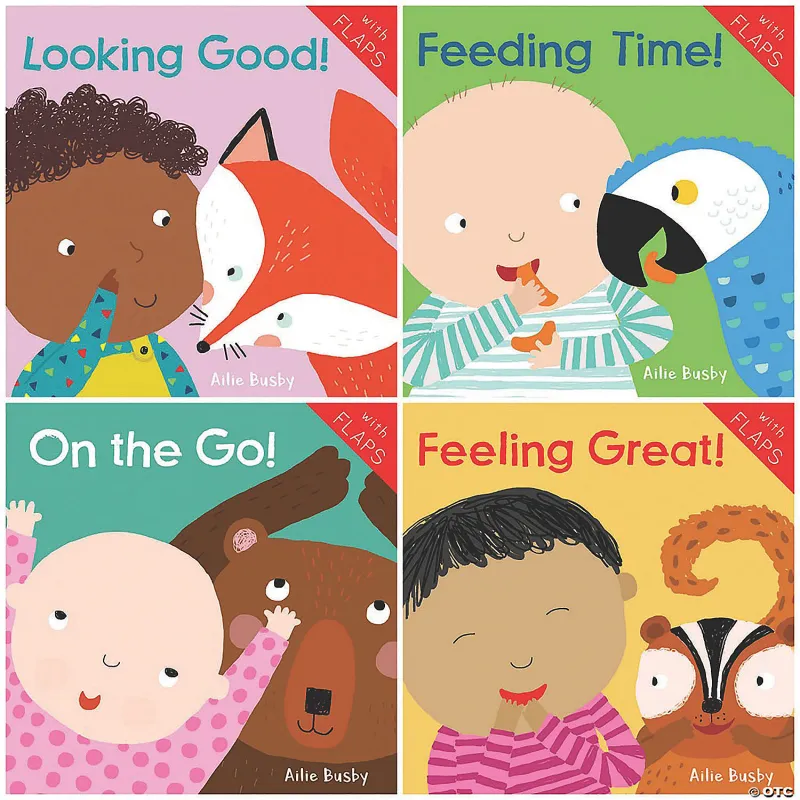
Photo: handwritten recommendation card independent bookshop shelf talker UK, via s7.orientaltrading.com
On a Saturday afternoon in a UK independent bookshop, the most persuasive piece of writing in the personal development section is rarely the jacket copy. It is a rectangle of card, propped against three or four hardbacks, written in biro or a slightly smudged rollerball. The bookseller has read the book, or enough of it, and has decided to say one thing. For the writer, that card is worth studying.
The Card Is a Handover, Not a Blurb
The blurb is the publisher's case for the book. The shelf-talker is a reader's handover. It is written by someone who has no contractual obligation to praise, no space for endorsements and no author biography to lean on. The bookseller is speaking to a browsing reader who has perhaps thirty seconds and a train to catch. That changes the grammar of recommendation.
A shelf-talker often begins with a person rather than a promise. It may name a situation — a job interview, a bereavement, a difficult conversation with a teenager — before it names a benefit. It may admit a limit: not a cure, not a quick fix, not for everyone. These are not failures of enthusiasm. They are signs that the bookseller understands what a personal growth book can honestly do.
What Booksellers Actually Do With a Few Lines
Read enough cards in enough shops and certain moves recur. The best ones tend to do four things at once, though not always in this order.
First, they name a reader. “For anyone who has ever…” is a common opening, but the stronger cards are more specific: “For the manager who dreads feedback” or “For anyone who has left a job without a plan.” Specificity is not exclusion; it is a way of helping the right reader recognise themselves.
Second, they name a moment of use. A card might suggest reading a chapter before a difficult meeting, or keeping the book by the bed rather than on the shelf. This is practical criticism. It tells the browser not only what the book says but when it might be needed.
Third, they use plain verbs. “Helped,” “clarified,” “made me notice,” “gave me a way to…” These verbs are modest, and they are credible. They do not ask the browser to believe that a book will transform a life. They ask the browser to believe that a bookseller found something useful.
Fourth, they sometimes name a limit. “Not a cure, but a companion” is a sentence that sells more honestly than a page of superlatives. In a section full of books promising change, a card that admits difficulty can feel like relief.
The Transposition Test
The shelf-talker is useful to writers because it performs an act of transposition. It takes the book out of the author's control and puts it into someone else's hand. The cover, the author photo, the carefully worded preface — all of that falls away. What remains is whether the book's promise can be paraphrased by a person who has read it and wants to pass it on.
This is a test of clarity, not of quality. A complex book can still pass. But if the only sentence that fits is “This book will change your life,” the promise is probably not yet specific enough. The card asks: what does this book actually do, for whom, and under what conditions?
Three Cards to Write
For writers preparing a manuscript, or preparing to talk about one, the following exercise is worth an hour. Write three cards by hand, not on a screen. The constraint of the card is part of the exercise.
The twelve-word card
Write one sentence of no more than twelve words. It should name one reader and one change. Avoid adjectives such as “transformative” or “life-changing.” Use a verb that a bookseller might actually use. For example: “For new managers: a calm method for saying the difficult thing.” The sentence need not be perfect; it needs to be specific.
The twenty-five-word card
Now write a slightly longer card. Add a moment or place of use. Where would a reader keep this book? When would they reach for it? A card that says “Read the first chapter the night before a performance review” does more work than a card that says “A must-read for professionals.” The second sentence is a category. The first is a handover.
The honest card
Finally, write a card that admits one limitation. It might say that the book is not a quick fix, or that it is written for a particular kind of reader, or that it asks for practice rather than inspiration. The honest card is not a rejection of ambition. It is a recognition that trust is built by precision.
Read the Shelf Before You Write Yours
Before writing your own card, spend an hour in two independent bookshops. Read the shelf-talkers in the personal development section without picking up the books. Notice which cards make you want to reach for the hardback. Notice which ones merely praise the author. Copy their grammar, not their words.
Pay attention to the ratio of feeling to evidence. A card that says “I loved this” is pleasant but not useful. A card that says “I used the chapter on boundaries in a conversation with my sister” is evidence. The bookseller is not reviewing the book; they are reporting on an encounter.
What This Means for the Manuscript
This is not an argument for reducing every book to a slogan. It is an argument for knowing what your book asks of a reader, and what a reader might reasonably receive. A personal growth book can hold complexity, nuance and uncertainty. But it must also be able to survive the journey from one person's hand to another's.
If no card can be written, the manuscript may be asking too much of a browsing reader. That is useful information before publication, not after. The card is a small, unglamorous form. It is also one of the few places where a book is recommended by a person who has nothing to gain but the pleasure of matching a reader to a text. Write for that person, and your book will travel further.