The Draft Goes to the Village: Learning from Community Readers Before Publication
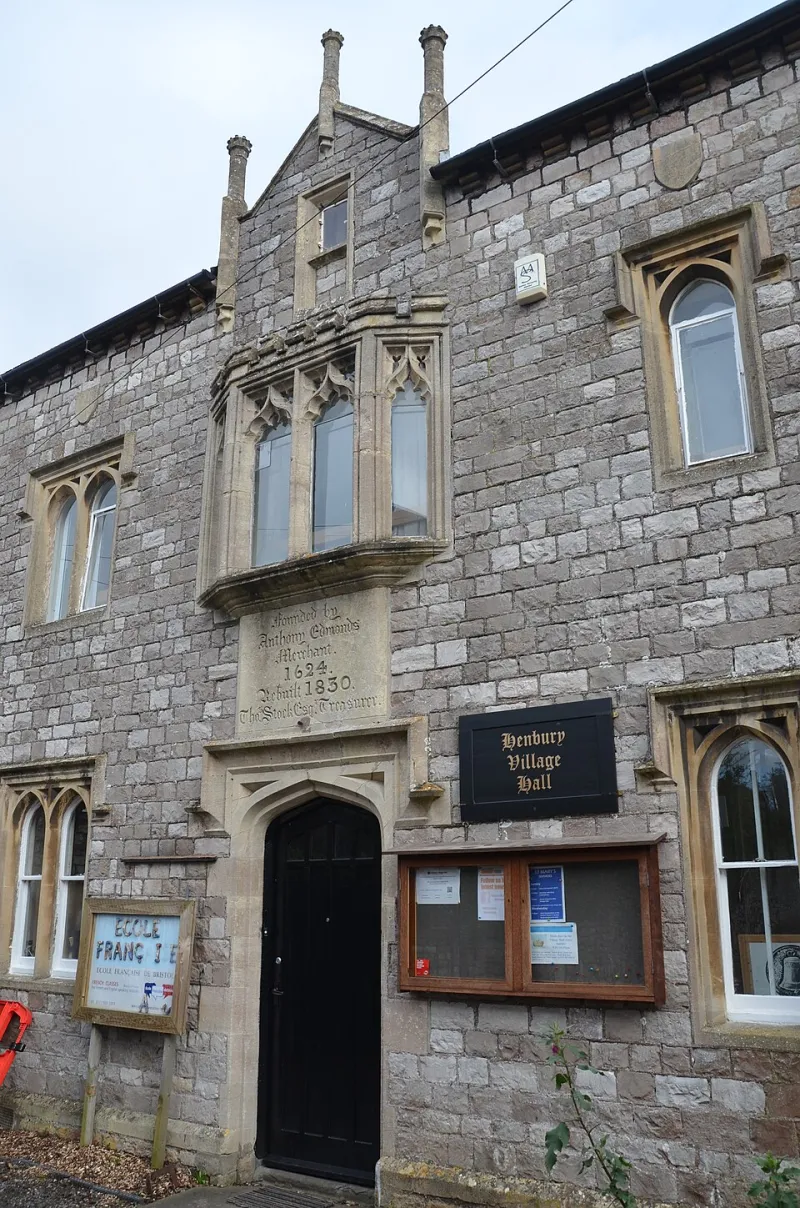
Photo: Hamburg103a, CC BY-SA 4.0, via Wikimedia Commons
There is a particular silence that follows a manuscript out of the author's hands and into the world. It is not quite the silence of the empty page, nor the silence of a rejected draft. It is the silence of waiting to discover whether the book you have made can survive contact with other people. Between the private labour of writing and the public fact of publication, there is a useful room that is often overlooked: the local reading group.
I have come to think of this as the village hall test. Not a trial by audience, and certainly not a focus group with biscuits, but a rehearsal in hospitality. A chance to sit among ordinary readers — not industry professionals, not fellow authors, not people who owe you a favour — and to learn what your words are doing in other lives.
Choosing a group that can be honest and kind
The first decision is not what to ask but whom to ask. A good group for this purpose is one that already meets regularly and has a settled culture of conversation. It need not specialise in personal development. In fact, a mixed group can be more revealing: readers who come to your manuscript without expectations may notice things that specialists have learned to overlook.
In the UK, there is no shortage of possibilities. Library reading groups, workplace book clubs, University of the Third Age circles, community association gatherings and informal groups that meet in each other's kitchens all offer a version of the same thing: people who read for pleasure and are willing to talk honestly about what they have read. A village hall, a church room or the back of a pub can serve perfectly well, provided the tea is hot and the chairs are not too uncomfortable.
Approach the organiser before the meeting. Explain the stage your manuscript is at, and be clear that you are not seeking a verdict on publication. Ask whether the group would be willing to read either the full draft or a substantial extract. Offer to provide clean printed copies or a simple PDF, and give a realistic timeframe — four to six weeks is usually enough for a short manuscript, longer for a full-length book. A short covering note is helpful, but resist the urge to explain too much. The reader should meet the book, not the author's intentions.
Set the table, not the agenda
On the evening itself, hospitality matters more than presentation. Arrive early. Help arrange the chairs. Accept the biscuit. A brief thank-you at the start is sufficient; a slide deck is not. Explain in two or three sentences what the manuscript is trying to do, then step back. The group has done the work of reading. Your task is to listen.
It helps to agree a gentle shape for the conversation. Sixty to seventy-five minutes is usually ample. Ask the organiser to chair the discussion, or agree in advance who will keep time. Make it clear that you are there to learn, not to defend, and that no one is expected to be an expert. Readers are often relieved to hear that they do not have to pronounce the book good or bad. They only have to describe their experience of it.
Questions that open rather than close
The quality of the evening depends on the questions. Avoid asking whether people liked the book. That question invites politeness, or its opposite, and tells you very little. Instead, ask about the reading experience itself.
Where did you pause, and why? Which passages felt familiar, and which felt remote? Was there a moment when you recognised yourself, or someone you know? What did you expect from the opening chapter, and did the book meet that expectation? If you were describing this book to a friend, what would you say it was about? These questions are not tests. They are invitations.
It is also useful to ask what readers wanted more of, and what they wanted less of. Notice that this is different from asking what they would change. The first question reveals appetite; the second invites editorial instruction. You are gathering evidence, not subcontracting the revision.
Listening for recognition
In personal growth writing, recognition is the quiet currency. A reader may not say that a chapter is well made. They may say, instead, that they had never thought of a familiar problem in that way, or that a particular sentence made them put the book down for a moment. One reader may describe an anecdote from their own life that mirrors something in your draft. Another may disagree firmly, and in doing so reveal exactly where your argument has not yet earned its place.
Listen for these moments without pouncing on them. Ask permission to take brief notes, and keep them to phrases rather than interpretations. The sentence a reader offers spontaneously is often more valuable than the sentence you would have written for them. Notice, too, the metaphors they use. If three readers independently describe the same chapter as 'busy' or 'rushed', that is a pattern worth examining. If one reader wants a different book altogether, that may simply be a boundary rather than a fault line.
The morning after
Within twenty-four hours, write up what you heard under four headings: recognition, resistance, rhythm and confusion. Recognition is where readers saw themselves. Resistance is where they pushed back. Rhythm is where attention rose or fell. Confusion is where the book asked too much or too little of them. Then wait. Give yourself at least forty-eight hours before changing a sentence. The village hall test is not a mandate; it is a set of signals.
A short thank-you note to the group is both good manners and good practice. If you later revise, you might tell them what changed. Readers who have given their time to a draft deserve to see that their attention mattered.
A modest test with real value
No single evening can tell you whether a manuscript will find its readership. But a local reading group can tell you something that no amount of private revision can: whether your book becomes a conversation in the hands of other people. In 2026, when publishing feels ever more crowded and noisy, the village hall remains a clarifying place. The test is not whether everyone agrees. It is whether, for an hour or two, your draft can sit among neighbours and be read with care. If it can do that, it is already beginning to do its work.