Reading Back to Move Forward: Finding the Argument at the Heart of Your Manuscript
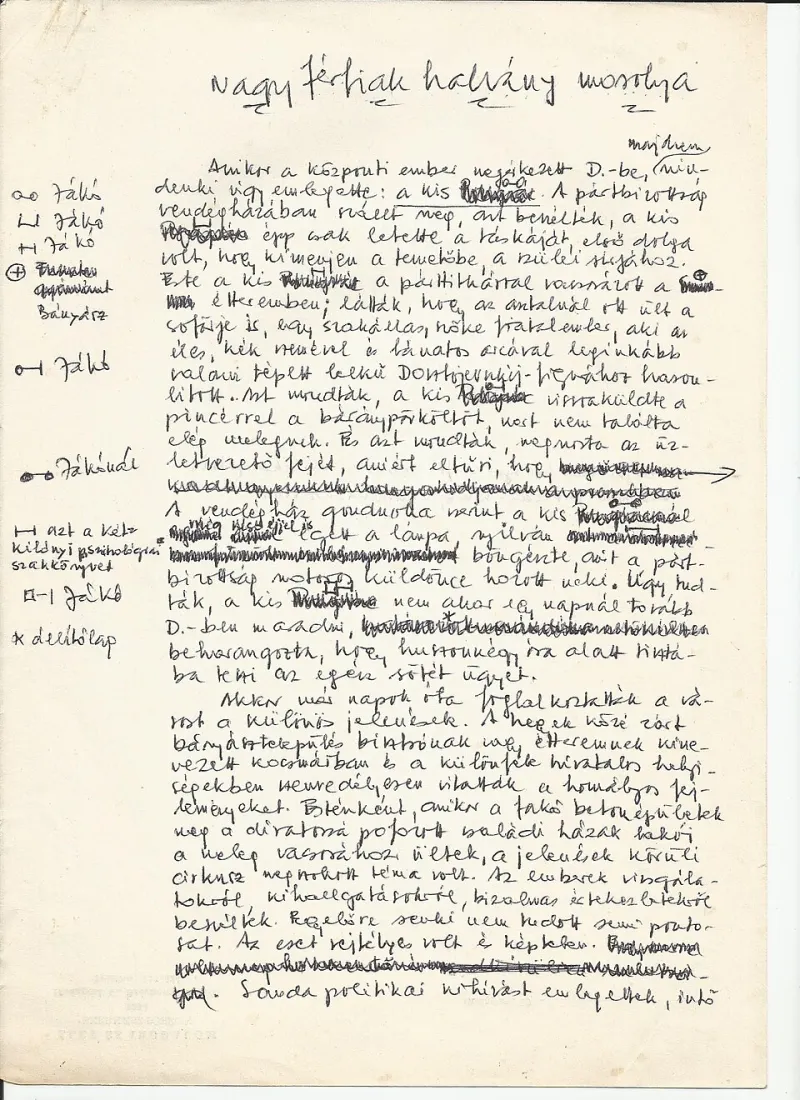
Photo: Családi gyűjtemény, CC BY-SA 4.0, via Wikimedia Commons
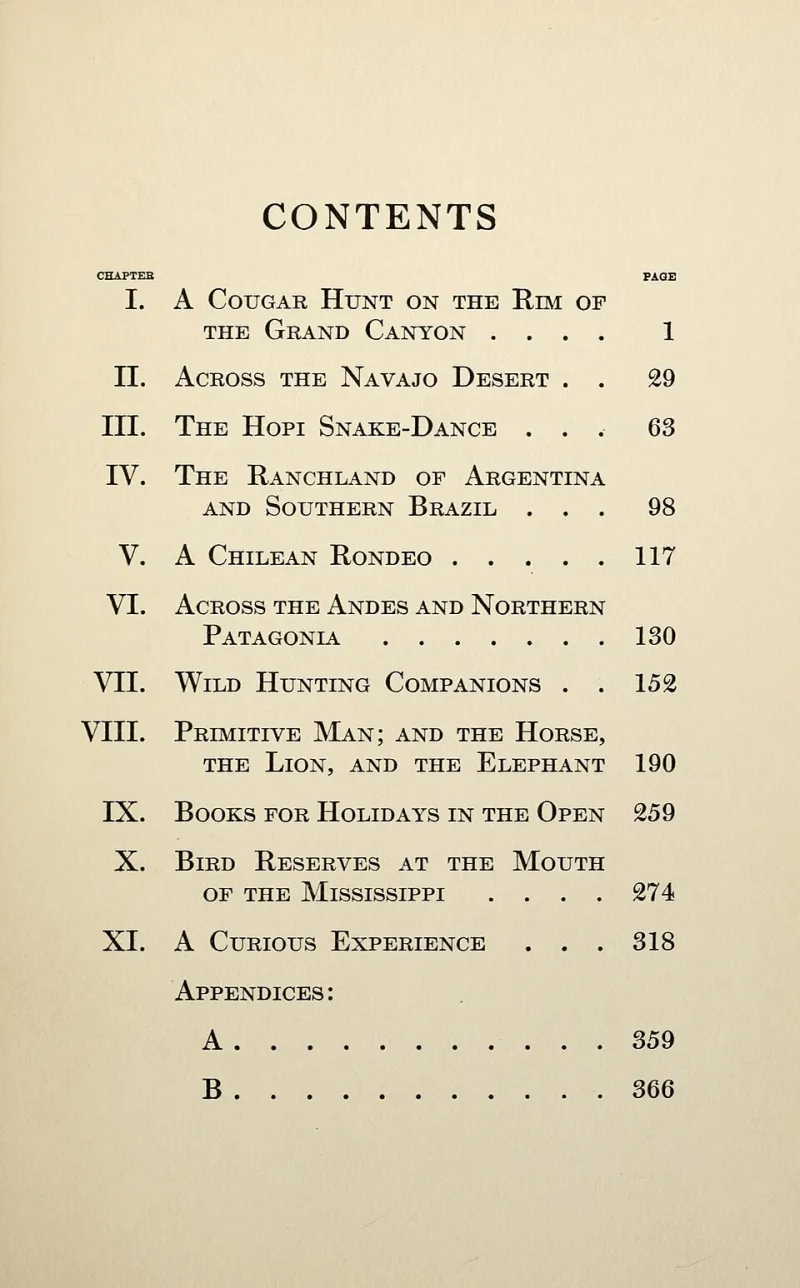
Finishing a first draft is a peculiar kind of arrival. The manuscript is complete enough to print, yet too close to judge. At that point, another planning document is rarely the answer. What helps is a diagnostic tool: a reverse outline. It asks you to summarise each chapter in one sentence after the draft is finished, then to read those sentences from the last to the first. The backward view is not a gimmick. It loosens the grip of the order you already know and reveals the book's underlying argument: its spine.
Start with the finished draft, not the original plan
Choose a complete draft and work from that alone. Print it or open it on a tablet, but set aside the contents page and any earlier outline. The reverse outline is not a defence of your first intentions; it is a way of seeing what the manuscript now does. Create a fresh document headed Chapter summaries. For every chapter, write one sentence that records movement rather than subject matter. A useful form is: This chapter moves the reader from ___ to ___ by ___. Another is: This chapter argues that ___. If a chapter demands three sentences, note why. That note is data, not failure.
Keep the sentence honest
One-sentence summaries are useful only when they are honest. Chapter 4 covers boundaries tells you what the chapter is about, but not what it does. A stronger summary might read: Chapter 4 helps the reader recognise that a boundary is a form of self-respect rather than a punishment, by asking them to rehearse one small refusal. The second sentence reveals a promise and a method. A chapter that cannot be summarised may be overloaded, underdeveloped or doing two jobs at once. Do not fix it yet. Record the difficulty and keep moving through the draft.
Read the spine backwards
Once every chapter has a sentence, read those sentences in reverse order. Begin with the final chapter and ask what the reader must already believe, feel or know for that ending to land. Then move to the chapter before it, and the one before that. The reversed sequence disrupts familiarity. It makes dependencies visible.
Four questions are enough for a first pass. Does this sentence depend on the one before it? Where is the same promise made twice? Where does the argument jump rather than step? Which sentence could stand as the book's true argument? Mark the margins with simple symbols: G for gap, R for repetition, B for bridge needed and S for spine candidate. The aim is not to solve everything in one sitting. It is to see the shape of the whole.
A worked example from a kitchen-table desk
Consider a writer at a kitchen table in Leicester, with a draft of a confidence book and a mug of tea cooling beside a stack of library books. Twelve chapters looked tidy in the forward order: why confidence matters, small wins, the inner critic, boundaries, saying no, asking for help, setbacks, visibility, relationships, money, rest and a personal plan.
When the chapter summaries were read backwards, three things became clear. First, the final plan chapter depended on a promise about protecting time that appeared in the money chapter, but the money chapter assumed a skill not taught until the later chapter on setbacks. Second, the chapters on the inner critic, asking for help and visibility all used the language of permission, making the same promise three times in different clothes. Third, the sentence that best named the book's argument was buried in the setbacks chapter: confidence is built through small acts of self-respect, not through positive thinking alone.
That single sentence became the spine. The writer moved the setbacks chapter earlier, merged the asking-for-help material into the inner-critic chapter, added a short bridge from setbacks to visibility, and rewrote the final chapter so that it returned to self-respect rather than introducing a new idea. The book did not become a different book. It became legible.
What the reverse outline is not
It is not a line edit, and it will not repair flat prose. It is not a substitute for a full structural edit, nor is it a marketing summary. Its purpose is narrower and more useful: to show whether the manuscript has a spine, where that spine is strongest and where the reader is asked to move without support. For a personal growth book, that matters. Readers are not only following information; they are following a sequence of change.
A one-page template to copy
Reverse Outline Template
Book title: Draft date: Total word count:
For each chapter: Chapter number and title: One-sentence summary: This chapter moves the reader from ___ to ___ by ___. Promise made: Promise kept? Yes / partly / no: Depends on chapter: Note (gap / repetition / bridge):
Then list the summaries in reverse order: Last chapter: Previous chapter: ... First chapter:
After the reverse read, answer these questions:
- Which sentence names the book's true argument?
- Where does the reader need a bridge?
- Which promise is repeated?
- Which chapter assumes knowledge not yet given?
- Which chapter could be folded into another?
- What is the one change that would most strengthen the spine?
Actions: Keep: Merge: Move: Add: Rewrite:
Returning to the desk
Once the spine is visible, revise with restraint. Keep the reverse outline beside the manuscript as a living document and update it after each structural change. A personal growth book earns trust by making a clear promise and keeping it in a considered order. Reading backwards is one way to check that the order is doing its work, and that the argument at the centre of the book can be heard.