Before the Prologue: Auditing the Promises in Your Contents Page
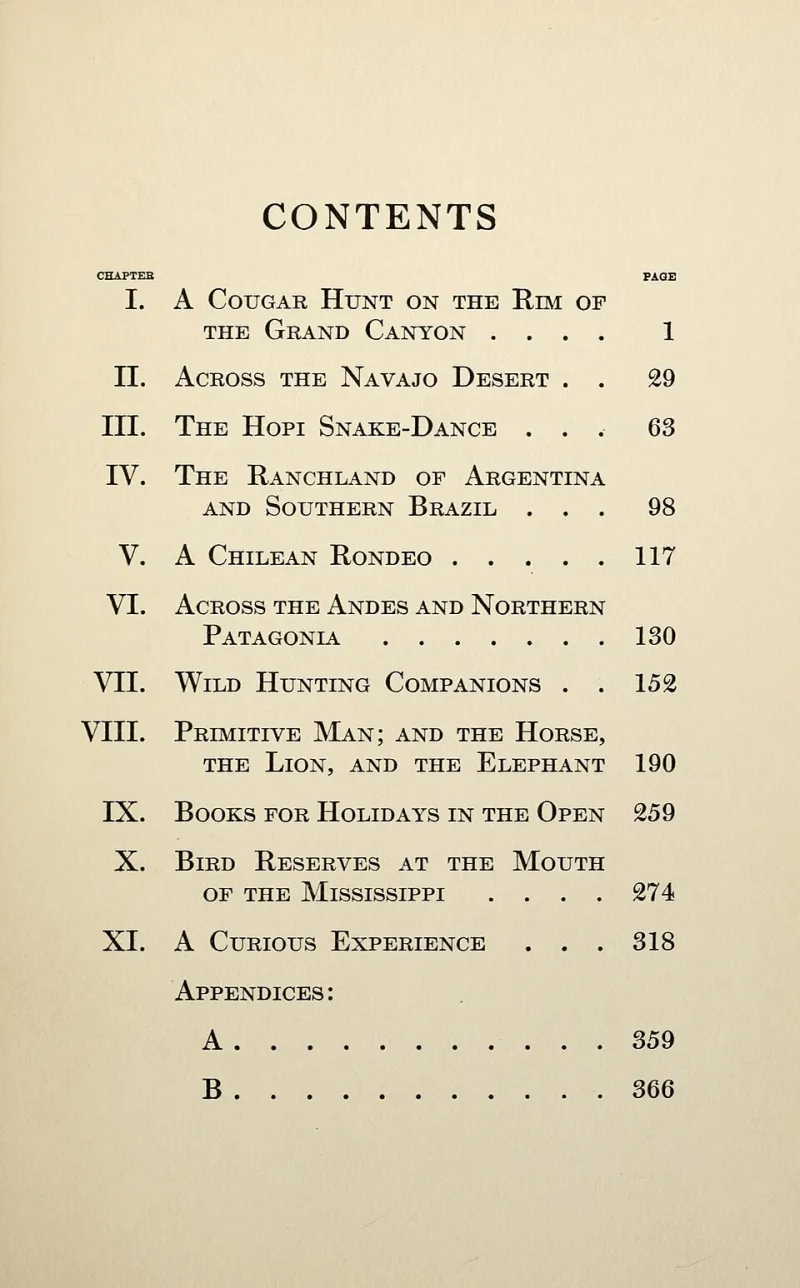
Photo: Roosevelt, Theodore, Public domain, via Wikimedia Commons
In a busy high-street bookshop, or on a quiet Saturday in an independent shop, the contents page is often the first part of a personal growth book that a reader truly reads. They may have been drawn in by the cover, reassured by the blurb, and persuaded by a familiar name. But the contents page is where curiosity becomes judgement. It tells them, in a handful of lines, whether the book has a shape they can trust.
For authors, this is both an opportunity and a risk. A contents page can feel like housekeeping, something to finalise after the manuscript is complete. In practice, it is closer to a contract. It sets out the journey, names the stations, and quietly promises that the reader will arrive somewhere worthwhile. Before page one, it is already doing editorial work.
The shelf test: what a contents page does before page one
Personal development readers are usually practical. They want to know whether a book will help them understand a problem, change a habit, or think differently about an aspect of their lives. They are not simply browsing topics; they are assessing fit. The contents page is the first place where that assessment can happen without the author being present to explain.
A strong contents page gives a sense of movement. It suggests that the chapters are not a random collection of subjects but a sequence with purpose. Even a simple list can do this if the titles are clear and the progression is visible. A weaker contents page reads like an inventory: several worthy themes, arranged without obvious logic, each title sounding broadly similar to the last.
This matters particularly in the UK market, where readers are often sceptical of grand claims. A contents page that promises too much, too quickly, can create resistance. One that is too abstract can create distance. The aim is neither hype nor mystery, but clarity with warmth: enough structure to reassure, enough voice to invite.
Titles as promises, not labels
Chapter titles are sometimes treated as labels. A chapter about communication is called Communication. A chapter about confidence is called Confidence. These titles are accurate, but they do little work. They tell the reader the subject without indicating the experience of reading the chapter or the change it is meant to support.
A more useful title acts as a promise. It might suggest a moment of recognition, a practical shift, or a question the reader will be helped to answer. The promise does not need to be sensational. It needs to be honest. A title such as Saying the Difficult Thing Once may promise something specific: a chapter about difficult conversations, likely with examples and a practice. A title such as The First Honest Question may promise a reflective opening, a way into self-examination. Both give the reader a better sense of what is coming than a single abstract noun.
This is not an argument for cleverness at all costs. A personal growth book can use plain titles effectively. The test is whether each title tells the reader something about the chapter's work. If every title could be swapped with another without much difference, the contents page is probably functioning as a list rather than a route.
Part breaks and the shape of the journey
Part breaks are easy to overlook, yet they carry a great deal of meaning. They tell the reader where they are in the larger argument. They offer rest, orientation, and a sense of progress. In a personal growth book, they can also reduce anxiety: the reader sees that the journey is divided into manageable stages.
When part titles are vague or interchangeable, the structure loses some of its power. If Part One is called Foundations, Part Two is called Practice, and Part Three is called Integration, the shape is clear enough, but the language may feel generic. If all three parts sound like variations on the same theme, the reader may not sense why the book needs parts at all.
Authors should ask whether each part represents a genuine shift in the reader's work. Is the book moving from noticing to trying? From understanding to sustaining? From personal reflection to relational practice? The part titles do not need to be poetic. They need to be truthful about the change in emphasis. On a shelf, this quiet architecture helps a reader decide whether they are ready for the book now, or whether it belongs on a future reading list.
A practical audit for authors
A useful exercise is to print the contents page on a single sheet, without the surrounding manuscript. Cover the introduction, the blurb, and the author biography. Imagine you are a reader in a bookshop with five minutes to decide. Then ask three people who do not know the book well to read only the contents page and answer four questions. Who does this book seem to be for? What does it seem to promise? Where would you expect to begin? What feels unclear, repetitive, or missing?
Their answers will not be verdicts, but they will reveal the impression the page creates before the author has had a chance to explain. Next, create a simple three-column table. In the first column, list each chapter title. In the second, write one sentence beginning: By the end of this chapter, the reader can... In the third, note the evidence the chapter will offer: an exercise, a case study, a reflection prompt, a summary. If the second column is difficult to complete, the title may be too vague. If the third column is thin, the promise may be larger than the chapter can honestly deliver.
Finally, read the titles aloud in sequence. Listen for rhythm, repetition, and any break in logic. Does each title connect to the one before and the one after? Does the sequence feel like an invitation rather than an obstacle course? A contents page should not be a maze, nor a marketing brochure. It should be an honest itinerary, written by someone who knows the terrain and respects the reader's time.
In a crowded personal development market, clarity is a form of courtesy. The contents page is the author's first act of hospitality: a promise made in plain sight, before the reader has committed to page one.